

Top SEC Reporting Compliance Challenges for Finance & Accounting Teams and How AI-Powered Disclosure Management Helps

Top SEC Reporting Compliance Challenges for Legal & Compliance Teams and How AI-Powered Disclosure Management Can Help

The Feedback Window Closes: Final Preparations for EBA v4.4
Protecting Disclosure Integrity: A Legal & Compliance Playbook for Defensible SEC Reporting
The Blueprint for EBA Framework 4.3 Readiness

Disclosure Management Software: The AI-First Approach to SEC Reporting

Automating K-Factor Calculations for IFR/IFD Compliance

SEC Compliance Software vs. Consultants: What Enterprises Actually Need in 2026

The FPI Eligibility Concept Release: What the SEC’s Proposed Rule Changes Could Mean for You

Multi-Country, Multi-GAAP Reporting: Simplifying ESEF Compliance

DORA Registers of Information: Surviving the XBRLcsv Mandate

Form S-1: A First-Time Issuer’s Guide to Going Public

XBRLcsv vs. XML: The EBA Transition
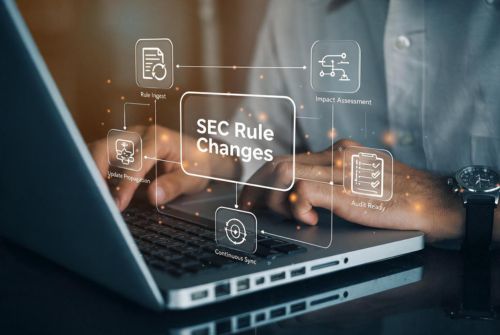
Regulatory Reporting Software: Keeping Pace with SEC Rule Changes Without Adding Headcount

From Close to Disclosure: Key Takeaways from Our SEC 10-Q Webinar

Is Your ESG Reporting AI-Ready? A CSRD Readiness Checklist

Issuer’s Counsel vs. Underwriter’s Counsel: Who Does What in a Form S-1 Filing

The True Cost of Manual SEC Filing: A Q2 & Q3 Survival Guide for Reporting Teams

The 10-K Planning Playbook: A Practitioner’s Guide to Predictable, Defensible Annual Filings

Buy vs. Build: What to Evaluate Before Your Next SEC Filing Deadline

Resolution Planning and MREL: Technical Amendments in DPM 4.4

The First-Time Issuer’s Roadmap: Navigating the IPO Process from S-1 to Listing

Pillar III ESG Disclosures: Mapping the December 2026 Reference Date

IFRS 18 for Real Estate

Why Experienced Teams Still Face ESEF Tagging Challenges

IFRS 18 in FINREP: Voluntary vs. Mandatory Timelines in EBA v4.4

10-Q Season Is Here: Why Manual Filing Processes Break Down Every Q2-Q3

SEC Reporting in Accounting: Closing the Gap Between Finance Teams and Filing Deadlines

Can You Trust AI with Your 10-K? The New Rules for AI-Assisted SEC Reporting

Streamlining the 20-F Filing Cycle: From Multi-Jurisdictional Complexity to Audit Readiness
The Post-Omnibus CSRD Playbook: Scope, Simplification, and What to Do Next

EBA Framework 4.4 Draft Released: The Five DPM Changes

How Disclosure Management Platform Simplifies IFRS 18 Compliance

Unified Reporting: Why ESG Needs Financial-Grade Rigor

From Source Data to EDGAR Submission: Mapping the End-to-End IRIS CARBON Workflow

3 Biggest 10-K Filing Mistakes and How to Avoid Them

Audit-Ready ESG Data: Building Trust in the Age of Regulation
Scope 3 Emissions: The Hardest Problem in ESG (and How AI is Solving It)

Double Materiality at Scale: How AI Identifies What Truly Matters
The 30-Day Countdown: Getting SB 253-Ready Before November 10

Navigating the New EBA Glossary Usage Exploration File

Inside an AI-First Disclosure Platform: ESEF Meets CSRD

IFRS 18: Excel vs ERP Systems

The SB 253 Readiness Guide: From Good-Faith Filing to Full Assurance

AMLA Risk-Assessment Data Collection: The December 2026 Mandate
IRIS CARBON® for Unified Reporting: Bring Financial and ESG Reporting Together

Generative AI in ESG Reporting: Drafting Narratives Without Losing Accuracy

iXBRL Tagging Errors: The #1 Cause of Last-Minute Filing Delays

From Annual Report to ESEF Package: One Intelligent Workflow

IFRS 18: From Compliance to Confidence

Third-Country Branches (TCB): Preparing for March 2027

AI-Powered Double Materiality Assessment: How It Actually Works for CSRD

Why Finance Teams Lose Control of UKSEF Filing Deadlines

The Finalized EBA 4.3 Technical Package: What Changed?

AI Sustainability Reporting Software: What to Look for in 2026

Why Leading SEC Filers Are Moving to AI-First Reporting Platforms

The Filing Platform Evaluation Checklist: Uncover Hidden Operational, Compliance, and Cost Risks

2026 ESEF Benchmark: How Long Does Filing Prep Really Take

AI-Powered ESG Reporting: How IRIS CARBON Handles CSRD, Data Readiness, and Assurance in One Platform

IFRS 18 for Banks: How Interest Income Classification Changes
Build a Defensible Double Materiality Assessment for CSRD Success

In-House vs. Outsourced XBRL Tagging: The Hidden Cost of ESEF Compliance

Master SEC Filing Readiness with AI: Key Takeaways from Our Webinar

What Good Prudential Data Governance Actually Looks Like: A Maturity Model for Finance Teams

Digital Tagging for CSRD: What Sustainability Teams Can Learn from a Decade of ESEF

CSRD Meets ESEF: Why Sustainability and Financial Reporting Teams Can’t Work in Silos Anymore

IFRS 18 Management-Defined Performance Measures Guide

UKSEF Readiness Checklist: Know Where Your Filing Stands Before the FCA Does

From Close to Disclosure: Streamlining SEC 10Q with Automated Disclosure Management

IRIS CARBON® for 10-Q SEC Reporting: Simplify Quarterly Filings with Confidence

SEC 10-Q Filing Risk Checklist: Catch Vulnerabilities Before the SEC Does

6 Signs Your SEC Filing Stacks Needs Automation Before Q3

SEC Reporting Software: The Complete Guide to Automating Your Filing Process

Navigating ESEF’s Next Tagging Shift Without Risk

The CSRD Competitive Advantage: Using High-Quality ESG Data to Win the Capital Markets

Building a Regulatory Reporting Centre of Excellence: A Practical Blueprint for BFSIs

The European Bank’s 2026 Prudential Reporting Playbook from CRR III to IReF — A Compliance Leader’s Guide to Automation-Ready Architecture

Avoiding the “Last-Minute Tagging” Trap: Integrating iXBRL into Your Disclosure Process

The Digital Mandate: Why Your CSRD Report is Only as Good as Its iXBRL Tags

On-Premise vs. Cloud RegTech: Why Data-Sensitive BFSIs Are Choosing On-Prem Prudential Platforms

IFRS 18 and the 2026 ESEF Taxonomy

IFRS 18 in Europe: What Changes for EU Companies

IFRS 18 Is Here. Is Your Reporting Ready?

Building Investor Confidence through Intelligent UKSEF Reporting

The Hidden Cost of Regulatory Re-submissions: A CFO’s Guide to Getting Filings Right the First Time

The CRR III vs. Basel III: What Changes, What Stays

The 2026 SEC Filer Guide: Navigating iXBRL Requirements with Confidence

DORA Meets Prudential Reporting: How Digital Operational Resilience Requirements Are Reshaping Finance Functions

How European Savings Banks and Cooperative Banks Are Navigating CRR III Proportionality Rules
Beyond the Basics: Mastering Automated SEC10-K iXBRL Tagging for Complex Disclosures

EBA Pillar III Disclosures in 2026: The Reporting Burden Nobody Talks About

The Digital Mandate: Why Your CSRD Report is Only as Good as Its iXBRL Tags

Simplifying Executive Compensation Reporting: A Guide to Proxy Statement Automation

Demystifying the ESRS iXBRL Taxonomy: A Practical Mapping Guide for Reporting Teams

Inside the CFO’s Dilemma: Balancing Speed, Accuracy, and Compliance in Earnings Season

From Chaos to Compliance: Taming Multi-Jurisdictional Regulatory Reporting

IReF vs. FINREP: What the ECB’s Integrated Reporting Framework Means for Your Data Architecture

FIFA World Cup 2026 Needs VAR, Your Financial Reports Need Niti

Turn Your Sustainability Data into Investor-Grade Certainty

The Disclosure Gap: Why US and EU Finance Teams Have Moved On — and What India Is Still Deciding

ECB’s SREP Process Explained: How Prudential Data Quality Affects Your Capital Add-Ons

The Audit Relationship in 2027: How AI Is Reshaping Financial Reporting and Audit Readiness

Beyond the PDF: Implementing Data Integrity Controls in Your Reporting Cycle

SEC Filing Readiness in the Age of AI: What Reviewers Are Really Looking For
The Audit Committee’s New Mandate: Owning the Disclosure Control Environment

The MD&A Has Two Versions. Only One Gets Filed.

The Hidden Costs of Legacy SEC Filing Providers: A TCO Analysis for the VP of Reporting

Why SOC2 Compliance is the Hidden Requirement for ESG Reporting Software

Evaluating SEC Reporting Platforms: 5 Non-Negotiables for the Modern Controller

The Hidden Cost of the Financial Close in India

The CFO’s Guide to Scaling Sustainability: ROI of CSRD Compliance Software

From Basel III to CRR III: What European Banks Must Unlearn to Succeed in the New Prudential Era

The CSRD Blueprint: From Spreadsheet Chaos to AI-Ready Verification Intelligence

Audit-Proofing Your Materiality Assessment: What Assurance Providers Look For

The Proxy DEF 14A Scorecard for PVP Disclosures

What Gold Standard Disclosure Actually Means (and Why More Pages Don’t Mean More Clarity)

The Intersection of Impact and Finance: Why Double Materiality is Re-shaping the Office of the CFO

Workiva vs. IRIS CARBON: Why SEC Reporting Teams Are Making the Switch in 2026

Mitigating Greenwashing Risk: Using Reasonable Assurance Software as a Shield

Your ERP Was Never Built to Tell Your Story

IFRS 18 in Practice: Key Takeaways from Our Webinar
The Business Case for CSRD Automation: Why Manual Reporting Can’t Keep Up with EU’s Emerging Compliance Requirement.

The Hidden Complexity of DEF 14A: Why Your Proxy Statement Needs Professional Tagging

Forms, Filings, Guidelines: What Energy Companies Need to Know About FERC Reporting

Managing the Multi-Stakeholder Audit: Coordinating Finance, ESG, and External Auditors

The Prudential Leader’s Checklist: Evaluating Automation Platforms for CRR V Compliance

From 6 Months to 6 Weeks: Accelerating Your Reporting Cycle with Automated Workflows.

Beyond the Per-Page Charge: The Total Cost of Ownership of Legacy Disclosure Tools

3 Critical Challenges in Regulatory Reporting and How IRIS Niti Solves Them

The Double Materiality Roadmap: Mapping ESRS Requirements to Business Impact

IRIS iDEAL vs. Manual XBRL Tagging: Why Integrated Validations are the Key to Error-Free Filings

The ESG Data Trap: Why More Collection Isn’t the Same as Better Decisions
Automating the Repeatable in Reporting: How AI-Powered Disclosure Management is Changing the Game for CFOs

How Coop Pank Implemented Disclosure Management to Cut Public Financial Reporting Costs by 30%

The Shift to Reasonable Assurance: Why Limited Assurance is No Longer Enough for ESG

Bridging the Gap Between Cash and Compliance: How Euronet Automated SEC Filings with Centralized Disclosure Management

COREP FINREP Automation: A Step-by-Step Guide to Reduce Preparation Time By 60%

How CRR V Technical Standards are Redefining Liquidity Reporting for UCBs and Payments Banks

The Digital Audit: Why the SEC is Looking at Your XBRL Tags More Than Your PDF

The Controller’s Checklist: 5 Steps to Ensure Your ESG Data is Audit-Ready by Year-End

Beyond the Spreadsheet: Why Manual CSRD Data Collection is Your Biggest Audit Risk

Tired of ‘Ticket-Based’ Support? Why Dedicated Expert Assistance is the New Standard for SEC Filings

Data Quality Red Flags in COREP FINREP Submissions and How to Fix Them

Beyond Legacy Filing Platforms: Smarter Disclosure Management

Mastering RESOL 1 & 2: Navigating the New EBA Framework 4.2 Requirements

Financed Emissions in Practice: Key Takeaways from Our Webinar

Beyond the Spreadsheet: Why Top-Tier Banks are Moving to End-to-End Prudential Automation

The Last-Mile ESEF Challenge: Why AI-Assisted Tagging Is Becoming Essential

The Anatomy of a Digital Audit Trail: Why Spreadsheets are an Auditor’s Nightmare

Closing the Trust Gap: How Data Traceability Powers Reasonable Assurance

The Evolution of Technical Standards: What Every Compliance Officer Needs to Know About CRR V

Reducing Filing Friction: Why Your SEC Reporting Team is Burning Out (and What Finance Leaders Must Fix First)

Why Manual COREP FINREP Reporting is Your Bank’s Biggest Hidden Risk in 2026

Building the Golden Source: How to Centralize Audit-Ready ESG and Financial Data

Bring Structure, Speed, and Control to Internal Reporting

SEC Filing Calendar & Milestone Tracker

Five Pillars of CRR III & EBA 4.2 Reporting Mastery in 2026

CRR III and EBA 4.2: The 2026 Roadmap for Prudential Reporting Mastery

ESG Metrics That Speak the Language of Finance

Eliminating the “Pencil-Down” Bottleneck in 10-K Filings with SEC Disclosure Software

CSRD Readiness & Gap Analysis
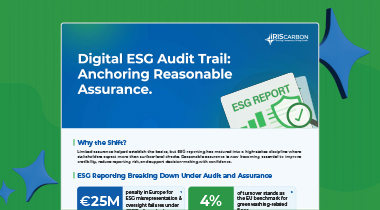
The Shift to Reasonable Assurance: Bridging the ESG Data Gap

The CAO’s Guide to Digital Transformation in the Office of the Controller
IFRS 18 is a Disclosure Problem. Not Just an Accounting Problem

XBRL Data Quality Scorecard for SEC Filings

AI-Powered ESG Reporting: From Manual Chaos to Real-time Clarity

2026 XBRL Taxonomy Update: What’s Changed and What It Means for Filers

Financed Emissions in Practice: What Banks Do When the Data Isn’t There

Will Outsourcing XBRL Disrupt My Reporting Process?

How IRIS CARBON® Guarantees 100% Compliant XBRL Conversion Without Slowing Down Your Close

Own Goals, Offsides, and Lazy Passes: Why the Injury Time Scramble Can Cost You a Game You Have Dominated from Kickoff

IRIS CARBON®: The EPM-Agnostic Disclosure Layer for a Single Source of Truth

The Best ESG Reporting Software for CFOs: A 2026 Buyer’s Guide

XBRL Outsourcing Without the Integration Headache: A CFO’s Compatibility Guide

ESEF Filing Readiness Checklist: Is Your ESMA Submission Package Ready?

5 Things to Consider While Integrating EPM and Disclosure Management

DIY Software vs. Managed XBRL Services: 5 Questions to Ask Yourself This Filing Season

What Auditors Actually Care About in XBRL And Why Peak Season Is the Worst Time to Find Out

How Multi-Layer Validation Prevents SEC and ESEF XBRL Filing Rejections

The ESG Data Journey: From Meter to Boardroom

From Raw Data to iXBRL Disclosures: How IRIS CARBON® Delivers Regulator-Ready Financial Reports

Why Finance Struggles When EPM and Disclosure Management Don’t Talk to Each Other

The Connected Finance Frontier: Bridging the Gap Between Enterprise Performance and Disclosure Management

Simplify KVK iXBRL Compliance: A Centralized Approach to Dutch SBR Reporting
The Dutch SBR Mandate: How Businesses are Navigating the Shift From PDFs to KVK-compliant iXBRL Disclosures

The Ultimate XBRL FAQ for 2026: 20 Questions Finance Leaders Are Asking

ESG is Investor Alpha in 2026

The Ultimate AI Guide for ESG Reporting

ESRS vs ESRS 2.0: Understanding the Differences After Omnibus

Beyond Compliance: Using iXBRL Automation to Drive Internal Financial Insights

Beyond Spreadsheets: How to Automate Scope 3 Data Collection for SB 253 Compliance

Smarter Carbon Emissions Management with IRIS CARBON®

Optimize Supplier ESG Performance with IRIS CARBON®

Managed Services vs. DIY Software: Which iXBRL Delivery Model Fits Your 2026 Reporting Strategy?

Implementation Roadmap Transitioning Your ESEF Reporting to an Automated Workflow

An Auditor Ready ESEF Checklist for 2026

Streamline KVK iXBRL Reporting with IRIS CARBON®

7 Must-Have Features of Best-in-Class SEC iXBRL Tagging Software

30 Days to EDGAR Next: The SEC 10-K Red Zone Checklist to Prevent Last-Minute Rejections

Decoding 60 Degrees Pharmaceutical’s Dream SEC Transformation With IRIS CARBON®

Digital Assurance 2027: The Auditor’s New Role in Finland

Accelerating the Record-to-Report Cycle with Integrated Disclosure Management

2026 SEC Filer Guide for Non‑Accelerated Filers: iXBRL Compliance Handbook

FAS to iXBRL: Mapping the Finnish Taxonomy with Precision

The 2026 PRH Mandate: From PDF to “Data-First” Reporting

KVK SBR Checklist for iXBRL Filing in the Netherlands (2026)

The Auditor’s Checklist: 5 Common XBRL Tagging Errors that Trigger Regulatory Rejections

The Accountant’s Guide to SBR Assurance: Best Practices for Auditing iXBRL and XBRL Instances

The 5 Most Costly XBRL Tagging Errors in SEC and ESEF Filings

Mastering the 2026 ESEF Taxonomy: Three Changes European Finance Teams Must Know

Manual vs Automated iXBRL: Where Fintech Finance Teams Are Losing 40% of Their Time

Regulatory Predictions for 2026: What Finance Leaders Need to Prepare for Now
The Practical Guide to XBRL & iXBRL Tagging for SEC and ESEF Filers

Strategic XBRL Governance: Reclaiming Your High-Value Reporting Hours

10 Must-Have Features in a Disclosure Management Platform

2026 XBRL Readiness Checklist for SEC and ESEF Filers

Uncover Your Financial Reporting ROI: Outsourcing Versus Owning

From Manual to Mastered: The ROI of Automating ESEF Compliance
Top 5 Barriers to Timely 20-F Compliance for Global Firms
5 Critical Barriers to SEC 20-F Filing for BFSI Industry

5 Critical Barriers to SEC 20-F Filing for Global Pharma

Mitigate Risks and Master SEC 20-F Compliance: A Connected Approach to Disclosure Management for Global Pharma Companies
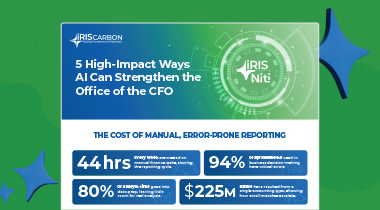
5 High-Impact Ways AI Can Strengthen the Office of the CFO

Finance Process Automation: Best Practices for Accuracy, Speed, and Compliance

Top 7 Benefits of Automated Disclosure Management for Enterprises

The New SEC 20-F Disclosure Landscape: What Foreign Private Issuers Must Know for 2025

Approaching the ESEF Deadline with Confidence: How Connected Disclosure Management Accelerates Your Annual Filings

Data Validation for FERC Reports: Ensuring Accuracy and Preventing Penalties

Beyond Form 1: A Comprehensive Guide to All FERC Filings

Five Ways Reporting Automation Lets You Truly Unplug This Holiday Season

IFRS vs US GAAP: How FPIs Can Overcome Accounting Differences to Streamline SEC 20-F Reporting

Streamlining the Reporting Lifecycle: From Financials to Disclosures

Stop Drowning in FERC Data: Automate Form 1 & 3Q with IRIS CARBON®!

AI-Powered Disclosure Management for Smarter Reporting

AI in SEC Reporting: What It Means for Accuracy, Speed, and Audit Readiness

From Excel to Automation & AI: How Financial Reporting Tools Upgrade Decision-Making

From Manual to Machine: How to Automate Financial Statements with AI and RPA

How a Modern Disclosure Management System Gives an Edge over Traditional SEC Reporting Software

Top 5 Use Cases of Automated Financial Reporting in Modern Enterprises

Why Financial Reporting Automation Is No Longer Optional for Growing Businesses

Automated Reporting in Finance: From Spreadsheets to Smart Systems

The ESEF Mandate Explained: A Guide for Financial Reporting Teams

The Hidden Costs of Manual SEC Reporting and How Automation Solves Them

ESEF Compliance Demystified: What Every Issuer Needs to Know Before Filing

5 Step Approach to a Successful DMA: Insights from D.A. Carlin & Co. and IRIS CARBON®

How Data-Centric Disclosure Management Streamlines Regulatory Compliance

How ESEF Reporting Software Simplifies Compliance for Listed Companies

Pharma Industry 20-F Disclosures: Navigating Clinical Trial Data and Risk Factors

Why October-November is the Crucial Time to Start Your 20-F Filing Preparation

Banking on Automation: Financial Reporting Tools Transforming the Finance Industry

ESEF Reporting: What You Need to Know in 2025

Closing With Confidence: How Disclosure Management Unlocks Reporting Efficiency

Retail Finance Automation: Real-Time Reporting for Smarter Inventory and Sales Decisions

Automated Financial Reporting in Manufacturing: Enhancing Compliance and Efficiency

Automated Financial Reporting in Pharma: Enhancing Compliance and Efficiency

The CFO’s Guide to Financial Data Automation: Strategies for Smarter Reporting

10 Best Practices for Financial Reporting Automation: From Setup to Scale

Step-by-Step Guide to Automating Your Company’s Financial Statements

The Future of Financial Reporting: How Automation Is Reshaping Finance Teams

How Companies Are Automating Financial Statements: Real-World Examples and Tools

The EU’s Latest ESG Rules: How to Effectively Conduct a Double Materiality Assessment

Conducting the ESG Orchestra: Making Sense of CSRD Data

Mastering Regulatory Compliance With Data-Centric Disclosure Management

Closing With Confidence: How Disclosure Management Unlocks Reporting Efficiency

How Finance Automation is Transforming Reporting and Strategy
Achieving a Single Source of Truth with Disclosure Management

The Evolving Role of Finance: From Checklist to Strategic Architect
How to Automate Form 1 Filings to Drive FERC Compliance

Reimagine Disclosure Management with a Data-First Approach

Rethink ESEF Reporting by Uniting Data, Disclosure, and Design

Automation as a Strategic Pillar in Finance

Simplify Disclosure Management with a Data-Connected Platform

SEC Success Checklist: Stay Compliant in the EDGAR Next Era

Common Errors to Avoid in ESEF Reporting

FERC Filings – Four Automation Tactics to Supercharge

FERC Reporting Software vs. Consulting Services: Which Path is Right for Your Business?

Beyond the Mandate: Why California’s ESG Rules Are a Bellwether for Nationwide Change

Key Features to Look for in FERC Reporting Software: A Buyer’s Checklist

A Compliance Checklist: Preparing for California’s Carbon Disclosure Requirements

California’s New Climate Disclosure Mandates: What SB 253 and SB 261 Mean for Your Business

FERC Order 898 Explained: New Accounting Rules for Renewable and Storage Assets

The Evolving Regulatory Landscape of ESG: What New SEC and EU Rules Mean for Your Reporting
Navigating the Future of SEC Filings with Precision and Confidence

Forms, Filings, Guidelines: What Energy Companies Need to Know About FERC Reporting

Deep Dive into Advanced ESEF Tagging Techniques

An Overview of EDGAR Next and What Filers Need to Know

Streamline Sustainability Data to Overcome ESG Complexities

Sustainability Disclosures Simplified With IRIS CARBON®

How IRIS CARBON Supports Filers in the EDGAR Next Transition

EDGAR Next: What It Means for the Future of Financial Reporting

How EDGAR Next Is Reshaping SEC Reporting Requirements

Beyond the Hype: How Authentic ESG Disclosure Attracts Next-Gen Conscious Consumers

Unleashing the Power of IRIS CARBON’s InDesign Integration

How ENI Reduced SEC Filing Time from Half a Day to 10 Minutes with IRIS CARBON

M SAN Grupa’s Four-Year Journey with IRIS CARBON: Streamlining ESEF Compliance with Confidence

Building a Robust ESG Data Management Strategy: From Collection to Reporting Excellence

Overview of Smarter FERC Reporting with a Data-Centric Workflow

Simplifying ESEF Reporting with a Data-Driven Platform

Reimagine SEC Reporting With a Data-First Approach

Energy Disclosures Simplified With IRIS CARBON®

Streamline Your SEC Reporting with a Data-Driven Platform

ESEF Reporting Made Easy with a Data-Driven Platform

Disclosure Management: Staying Ahead in a Data-Driven World

Overcoming the Challenges of First-Time ESEF Adoption: Choosing Software with Robust Support and Guidance
Mitigating the Risk of ESEF Errors and Penalties: The Importance of Comprehensive Validation Features in Software

How to Map ESG Data Across Frameworks Like ISSB, GRI, and CSRD

XBRL Reporting Requirements Explained: A Compliance Guide

Choosing the Right ESG Compliance Solution: How to Stay Ahead of Evolving Regulations

A Comprehensive Guide to Enterprise Financial Reporting: Process, Objectives, and Best Practices to Stay Ahead of the Curve

Top ESG Reporting Best Practices for Nigerian Businesses

What Is an Integrated Reporting System and Why Your Business Needs One

What Is Financial Reporting? Purpose, Importance, and Key Benefits

How to Automate ESG Disclosures: A Practical Guide to Efficient and Compliant Sustainability Reporting in 2025

Unravelling the Supply Chain Data Complexity in ESG Reporting

Top 5 Mistakes in ESG Strategy & How to Avoid Them

Public vs Private ESG Reporting: What’s the Difference and Why It Matters

ESG Reporting Requirements Explained: Global, EU, UK, US, and Australia

ESG Data Management: How Much Time Are You Losing with Manual Tracking?

Collecting ESG data on a budget: Tips for Mid-Sized firms

Reducing the Burden of ESEF Preparation: Identifying Software with Automation and Workflow Capabilities

ESG, CSR, and Sustainability Explained: Key Differences for Smarter Reporting

ESG Reporting in Nigeria: Reality, Readiness and Roadblocks for ISSB Adoption

What is an ESG Strategy? Everything You Need to Know to Get Started

How Voluntary ESG Reporting Ignites a Trillion-Dollar Wave of Sustainable Innovation

The Canary in the Coal Mine: How ESG is Becoming Business’s Early Warning System in a Volatile World

Beyond the Paper: When ESG Reporting Gets a Pulse

The Whispers of Tomorrow: How Proactive ESG Disclosure Will Forge Corporate Legitimacy by 2030

What Is ESG Reporting and Why Is It Important for Modern Businesses

7 Costly Mistakes to Avoid in ESG Reporting

How AI is Shaping the Future of Financial Reporting

All You Need to Know About FERC’s 2025 Taxonomy Updates

The Role of AI in Enhancing Financial Reporting and Disclosure

Bridging the Design-Data Divide: Unleashing the Power of IRIS CARBON’s InDesign Integration

Global Disclosure Standards You Should Know: A Breakdown of Regulations

Sustainable Investing in Australia: Trends & Key Players

Mastering ESEF 2024 Taxonomy & gaining Practical Insights on ESG consultations

Climate Change Impact on Australian Businesses: How ESG Compliance Can Help

Australia’s Net Zero 2050 Roadmap – Challenges and Opportunities

The Impact of State-Level Climate Policies on Corporate ESG Disclosures

ESMA Publishes 2024 ESEF Taxonomy Files and Conformance Suite: Key Updates

Addressing Greenwashing: Best Practices for ESG Transparency in the USA

How the SEC’s Climate Disclosure Rule Impacts ESG Reporting in the USA

Navigating ESG Reporting in the USA: Federal vs. State Regulations

The Bottom Line of ESG: Integrating Sustainability into Financial Decision-Making

Taming the Data Jungle: A Guide to ESG Data Aggregation

Unlocking Your ESG Story: A Guide to Materiality Assessment

A Deep Dive into Tagging and Validation | ESEF and XBRL
Leading the Charge: How to Achieve Sustainable Success Through Effective ESG Management

Top 5 Mistakes in Sustainability Reporting: A Guide to Avoiding Pitfalls

Future Trends in Sustainability Reporting: A Deep Dive

Double Materiality: How to Turn Risk into Opportunity

Unique Metrics for Measuring Sustainability Success

ESEF and Technology Leveraging AI and Machine Learning for Reporting

The Future of ESG Reporting in the USA: Trends to Watch in 2025

Top 5 Hurdles Companies Face in Sustainability Reporting

Simplifying CSRD Reporting Key Strategies for Data Collection & Aggregation

The Sustainability Reporting Journey: From Data to Decisions

Guide | ESG Reporting and Disclosure in California

Integrating Sustainability into Financial Reporting | ESEF and ESG
The ESEF Handbook: A Comprehensive Resource for Financial Professionals

A Comprehensive Guide for Businesses | ESG in California

The Intersection of ESG and Financial Reporting: A New Era of Transparency

Boosting ESEF Reporting Accuracy: Strategic Quality Analysis for the Nordic Region

The Role of Technology in California’s ESG Journey

California’s Renewable Energy Mandate: Opportunities and Challenges

ESG Reporting and Disclosure in California: Best Practices and Challenges

The Intersection of ESG and Climate Change in California: A Deep Dive
Navigating the California Supply Chain Transparency Act: A Practical Guide

California’s New ESG Mandate: What Businesses Need to Know

Double Materiality: The Future of Corporate Responsibility and Sustainable Reporting

The Future of ESG Disclosure: Trends and Best Practices

Your Comprehensive Resource for ESEF Compliance: A Step-by-Step Guide to Navigating Regulatory Reporting Standards

ESEF and Digital Transformation: Embracing Technology for Reporting Efficiency

ESEF and Supply Chain Transparency: Reporting on ESG Risks and Opportunities

Leading the Way with ESRS Set 1 Taxonomy: Early Adopter Insights

ESEF and Investor Relations: Enhancing Communication with Stakeholders
ESEF and Climate Disclosure: Aligning with the Task Force on Climate-Related Financial Disclosures (TCFD)

Reporting on Human Capital: ESEF and Workforce Transparency

ESEF and Regulatory Changes: Staying Updated with the Latest Developments

ESEF and Cross-Border Reporting: Navigating Global Challenges

ESEF and SMEs: Tailoring Compliance for Smaller Businesses

ESEF and Technology: Leveraging Automation for Efficient Reporting

Ensuring Data Quality in ESEF: Accuracy and Reliability at the Core

Shaping the Future of ESEF: Trends and Innovations to Watch

ESEF and ESG: The Intersection of Financial and Sustainability Reporting

Navigating the ESEF Maze: Key Challenges and Solutions

The Impact of ESG on Financial Performance: Why It Matters More Than Ever

The Top 10 Time-Wasters in FERC Reporting: Learn How to Eliminate Common Pitfalls and Reclaim Valuable Time

The Role of Technology in Disclosure Management

The Top 10 Time-Wasters in FERC Reporting: Learn How to Eliminate Common Pitfalls and Reclaim Valuable Time

The Future of SEC Disclosure Requirements: A Deep Dive

Leveraging Technology to Streamline SEC Reporting

Staying Ahead of Regulatory Changes: A Guide for Businesses

IRIS CARBON: Pioneering ESG Reporting with Rapid Adoption of EFRAG ESRS SET 1 Taxonomy

ESEF Compliance Checklist for 2024: Ensuring Your Reports Meet the Latest Standards

How Integrated Reporting Feature is a Game Changer for Your SEC Filings

From Guidance to Action: Leveraging TNFD’s Metrics to Address Nature Risks and Opportunities in Business and Investment

The Ultimate Guide to ESG Data Management: Tools and Best Practices

Navigating EU Sustainability Reporting: How GRI Standards Help Companies Meet New CSRD Obligations

A Deep Dive into the EFRAG ESRS Set 1 Taxonomy: What Every Company Needs to Know

How the TNFD Recommendations and Guidance Support Corporate Sustainability reporting

How Technology is Revolutionizing Sustainability: Key Strategies for Driving ESG Actions and Growth

eLibrary Search Tips: How to Locate Specific Dockets and Sub-Dockets Quickly

FERC’s New DLR Framework: What You Need to Know About Improving Grid Operations

Understanding the GRI Mandate and Its Taxonomy: A Pathway to Transparent and Sustainable Reporting

Why CFOs and Controllers Must Act Now for Mandated ESG Reporting Compliance

Ultimate Guide to ESG Reporting: Dos and Don’ts You Must Know!

XBRL v/s iXBRL: Key Differences and Their Importance for 2024 Reporting

The Crucial Role of Disclosure Management in Achieving ESEF Success

What You Need to Know About ESAs’ Joint Final Report on DORA Subcontracting Standards

How to Prepare Annual Financial Reports in ESEF Format: Latest Guidelines from July 2024

How to Meet ESG Assurance Requirements: Best Practices for Companies

Understanding FERC’s Potential DLR Framework to Improve Grid Operations: Key Points and Fact Sheet

Behind the iXBRL Curtain: Why Top-Notch Disclosure Management Makes All the Difference

Renaming Your Business? Here Are 7 Important Steps to Follow with the SEC and Other Entities

The Impact of the United Nations Sustainable Development Goals on Global Development

The Impact of LEPA’s FERC Case Victory on Regulatory Standards

ESMA’s 2024 ESEF Reporting Manual and Important RTS Amendments Explained

Why ESG Assurance Requirements Are Crucial for Sustainable Business Practices
Breaking Down the SEC’s Regulation on Security-Based Swap Execution Facility

What the IFC and IFRS Foundation’s New Partnership Means for Sustainability Reporting in Emerging Market

4 Ways ESAP Helps Connect EU’s Financial Systems

ISSB’s New Focus on Transition Planning- Why This Matters for Your ESG Strategy

ESEF Reporting with Digital Signatures: Key Benefits and Updates

Get Prepared: Key Facts About New Resource Extraction Filing Rule

ESEF Report 2023: In-Depth Quality Analysis and Trends for Improved Compliance

Why ESG Reporting Is More Important Than Ever: Key Benefits for Companies

The European Single Access Point (ESAP): A Centralized Platform for Financial Information in the EU

New ESG Trends in Human Capital Management: Insights from Leading Companies

What Are ESG ETFs and Why Should You Care?

ESMA Updates Reporting Manual and Annex II of RTS on ESEF for Harmonized Annual Financial Reports

Netherlands to Implement Exclusive XBRL Filings by 2025: Here’s How to Prepare

Understanding ESMA’s Public Statement on the First Applicability of European Sustainability Reporting Standards (ESRS)

Harnessing the Power of ESG Reporting to Foster Innovation and Growth: A Catalyst for a Sustainable Future

Net Zero by 2050: Major Companies Announce Ambitious Climate Goals

How ESAs’ Proposed Enhancements to SFDR Could Affect Your Sustainable Finance Strategies: Navigating Regulatory Changes in the EU
The Ingredients for a Perfect FERC XBRL Reporting Solution: Mastering Efficiency and Compliance

Data Unleashed: Fueling AI Advancements in Financial Reporting

Process for Commenting on the Proposed FERC XBRL Taxonomy

Maximizing Customer Value in Streamlining ESEF iXBRL Reporting for Euclid Consulting

The FERC-NARUC Federal-State Collaborative: Bridging the Gap in Energy Regulation

XBRL US’s Response to the SEC’s 2024 SBS Taxonomy Proposal

Understanding Crypto Regulation: A Deep Dive into SEC’s Role

SEC Modernizes Beneficial Ownership Reporting on Schedule 13D and 13G Using XML

Mastering Form 40-F: Essential Tips for Foreign Issuers Navigating U.S. Securities Reporting

Why Your Firm Can’t Afford to Wait on Implementing Disclosure Management

Integrated Reporting for Insurance Companies in 2024

Guide to CSRD: Crucial Data Points and Disclosure Requirements for Compliance

Maximizing Preparedness: Implementing Best Practices for Transparent CSR Data Reporting

Key Takeaways from EFRAG’s ESRS Taxonomy Consultation

The EU Corporate Sustainability Due Diligence Directive: What it Means for Your Business

Improving NRSRO Reporting: XBRL US’s Push for Enhanced Data Collection

The Impact of CIPC Compliance on Business Reputation and Investor Confidence

Essential Insights into Form 144 Filings and Filing Requirements

The Impact of the 2024 Update to the ESEF Taxonomy: What Companies Need to Know

SEC Eases Climate Disclosure Rules for Smaller Companies, Drops Scope 3 Emission Requirements

Understanding ACFR: Key Components and Future Changes in 2025

Maximizing Preparedness: The Role of Our Quality Meter in Evaluating Organizational Compliance Reporting

The Dynamics of ELTIF 2.0 – A Comprehensive Guide to European Long-Term Investment Funds

Navigating SA’s Business Compliance Landscape in 2024: Companies Act and CIPC Changes in Full Effect
How To Use Automation To Mitigate Regulatory Risk

The Link Between ESG Disclosure Scores and Business Outcome

How ESEF and Digital ESG Reporting are Revolutionizing Europe’s Corporate Disclosures in 2024

The Regulatory Benefits of Disclosure Management Tools

How Leading Companies Achieve Disclosure Efficiency and Streamlined Workflows with IRIS CARBON®

ISSB’s New Digital Sustainability Taxonomy Empowers Investors for Efficient Analysis

SEC Climate Disclosure Rule: Understanding the Final Mandate for Transparent Reporting
Top 3 Ways to Streamline Your Disclosure Management Process and Achieve Disclosure Excellence
From Materiality Assessments to Digital Tagging: Streamlining ESG Reporting Across Industries

Year 3 of Digital Financial Reporting: Probing Insights for ESEF Readiness
Streamline Regulatory Compliance with Advanced Technology Solutions

Mastering the FERC XBRL Taxonomy Step by Step

Proven Strategies to Enhance Your Company’s ESG Disclosure Score

Crafting the Ultimate Reporting Solution: Disclosure Management, XBRL/iXBRL, and Digital ESG Reporting

IRIS CARBON and CMS Systems Take Over Cyprus with 50% ESEF Market Control
ESRS 1 and ESRS 2: Your Sustainability Reporting with Cross-Cutting Standards

The Impact of ESG Disclosure Scores on Investor Perception and Financial Performance
Why Effective Stakeholder Engagement Matters: Insights for Business Growth?

How CSRD Data Points Impact Disclosure Requirements ?

Understanding ESG Disclosure Scores: What They Are and Why They Matter

Why Prioritizing Stakeholder Engagement Leads to Sustainable Solutions

Exploring the New Draft EDGAR Filer Manual: What You Need to Know

Gap Inc.’s Leap Towards Digital Sustainability Reporting with IRIS CARBON

An In-depth Guide to CIPC’s Beneficial Ownership Reporting in South Africa

Analyzing ESG Disclosure Scores: A Comparative Study of Industry Leaders

Understanding the AFS Submission Requirements for Different Entities at CIPC

The Link Between ESG Disclosure Scores and Corporate Performance

How to File Your AFS to CIPC in iXBRL Format: A Step-by-Step Guide for Private Companies

The Social Impact of ESG Investing: A Path to a Sustainable Future

The Key to Competitive Edge Beyond Financial Compliance | CSRD
The Top 5 Ways EDGAR SAAS is Reshaping Financial Communication

The Impact of Effective Disclosure Management on Regulatory Reporting

The Importance of Stakeholder Engagement in Corporate Decision-Making

Practical Tips and Resources for Efficient SEC Form 20-F Submission and Beyond

Your Guide to the SEC’s Climate Disclosure Rule: Must-Know Information

The Role of Disclosure Management in Streamlining ESEF Compliance
Decoding the SEC Security Checklist: Safeguarding Your Business in a Digital World

Navigating FERC Filing Deadlines in 2024: A Comprehensive Guide

The Dynamic Landscape of ESEF: Addressing Continuous Compliance Challenges

CFOs’ Guide to Mastering Financial Consolidation: 8 Fundamental Approaches

Navigating the Next Wave of ESG Reporting: Trends to Watch in 2024

Preparing for the Shift: Navigating the Complexities of Incoming ESG Regulations with Confidence and Insight

Climate Resilience in Financial Reporting: Understanding the IFRS S1 and S2 standards
FERC Filings: 4 Vital Insights from the BLACKHILL Study with IRIS CARBON

Navigating ESG Reporting: Insights from EU’s Delays Shed Light on SEC Struggles
Navigating ESEF Year 3: Addressing and Resolving Tagging and Audit Anomalies from Year 2

Understanding the Importance of Strategic Readiness in Financial Reporting
Bridging the Gap: Strategies for Enhancing XBRL Competence in the ESEF Era

Navigating the Green Wave: A Deep Dive into SEC’s Climate Reporting Requirements

A Deep Dive into the Top Trends Shaping Finance in 2024 for CFOs

Understanding the Purpose of FASB’s 2024 U.S. C Implementation Guides

Navigating the ESEF iXBRL Mandate: Regulatory Authority and OAM Listing
Revolutionize Your Reporting: Exploring the Latest Tools and Techniques for Automated Financial Insights

How Businesses Can Leverage IFRS Sustainability Reporting for Strategic Advantage

EFRAG Endorses ESRS XBRL Taxonomy & CSRD Digital Reporting Mandate

Navigating the ISSB Journey: Where to Start and How to Prepare?

Understanding how ESMA’s ESEF Reporting Shapes Stakeholder Dynamics and Investor Relations

Navigating the Evolving Landscape: Key Changes in ESG Reporting Frameworks for 2024

CIPC’s Transformative Changes in Annual Return Filings for South African Businesses

Stay Ahead in 2024: The Ultimate Checklist to Preventing the 7 Errors in ESEF Filings

ESEF Reporting Trends 2024: Spotlight on ESG Integration as a Strategic Imperative

ESG vs Sustainability Reporting: What Sets Them Apart in Corporate Transparency?

High-Quality XBRL Reporting: A Challenge for ESEF Finance Leaders

How Disclosure Management is Transforming CPM and ERP for Future-Proofed Business Operations
Navigating the SEC’s Climate Change Disclosure Rule: What Companies Can Learn from Delays
The Struggle of Finance Leaders in Meeting ESEF Reporting Timelines

IRIS CARBON Sets the Standard for Effortless and Seamless Regulatory Reporting

A Comprehensive Exploration of EDGAR Next and the Evolution of SEC Filing Procedures

A New Era of Reporting: Best Practices in Disclosure Management for 2024

The Macro Impact of Disclosure Management on Microenterprises

Streamlining Financial Reporting: Investment Reporting Best Practices

Financial Leaders’ Guide to Streamlined Compliance Reporting in 2024

Upcoming FERC Form Updates in 2024 | Overview
Unlocking the Secrets of SEC Financial Reporting: Strategies to Overcome Common Challenges
Interoperability Unveiled: How ESRS, ISSB, and GRI Align to Simplify Reporting

What’s the Buzz About IRIS CARBON ESG Reporting? The Game-Changer Explained

Navigating Year 1 ESEF Compliance: Lessons Learned and Future-proofing Tips for 2024

Double Materiality Demystified: A Deep Dive | CSRD Standards

Profit with Purpose: Unpacking the Concept of Corporate Sustainability

ESEF iXBRL Block Tagging Unleashed: Understanding the Shift in Reporting Dynamics

California Leads the Way: New Legislation Mandates Climate Disclosures
9 ESEF Compliance Insights and Best Practices for 2024

Unlocking ESG Success: Your Guide to Mastering Sustainability and Climate Reporting
The ESEF Journey – Exploring Insights and Overcoming Challenges in Reporting Evolution

From Data to Decisions: Sustainable Reporting’s Crucial Role in Climate Change Mitigation

ESG Reporting in 2024: The Imperative for Sustainable Corporate Practices
Sustainability Reporting Challenges: Where Companies Often Miss the Mark
SEC’s New Cybersecurity Guidelines: Preparing for a Secure Financial Landscape

EU Pioneers Environmental Accountability with Digitised Taxonomy Framework

FERC Reporting: 30% Cost Savings, 6 Hours Faster What’s Black Hills’ Winning Formula?

Analyzing ACFRs: Tools and Tips for Financial Decision-Making

Form 6 in FERC Reporting: Essential Components and Submission Process

Navigating the Evolving Landscape of ESG Reporting Requirements

Best Practices in Disclosure Management: A Guide for for large enterprises
Future Trends in FERC E-Tariff Management: What to Expect

FERC vs. NERC: Unpacking the Responsibilities of Each Organization

The Global ESG Reporting Movement: A Historical Overview

ESG Focus: A Deep Dive into Greenhouse Gas Emissions and Revealing Hidden Footprints
Strengthening SEC Compliance: Tips and Guidelines for Preventing Late Filings

The Benefits of Automating Year-End Disclosure Management: A Comprehensive Overview

SEC Filing Season Essentials: Key Tips for a Stress-Free Experience

Charting the Course of ESEF Implementation: A Deep Dive into Insights and Challenges

Why IRIS CARBON® Remains the Easiest-to-Use in Disclosure Management Software
The Vital Role of Disclosure Management for Small Businesses and Startups: A Comprehensive Guide

What You Need to Know About the EU Corporate Sustainability Due Diligence Directive (CSDD)

Unveiling the Future: Emerging Non-Financial ESG Disclosure Trends

Do’s and Don’ts of SEC Filing Deadlines: A Must-Know Guide for Businesses

The Added Value of Integrated ESG Reporting: A Threefold Framework

iXBRL Beta Testing Countdown: Streamlining Filing Fee Disclosures for October 2023

Reporting Manual on the European Single Electronic Format (ESEF) – Essential Updates

Top 5 Tips for Filing your Annual Tax Return with the CIPC

Data Unleashed: Fueling AI Advancements in Financial Reporting

Navigating the Complex World of SPACs: Lessons from the Digital World Case

Vilkyskiu pienine AB achieves 20% time savings with Streamlined Financial Reporting Process

Sustainability Gets Global Standards

Integrated Reporting: Building a Holistic Picture of Organizational Value Creation

Enhancing Transparency and Accountability: The Impact of Sustainable Finance Disclosure Regulation

The Future of GRC: Anticipating Evolving Challenges and Adapting to New Regulatory Landscapes

EU Takes the Lead: Corporate Sustainability Due Diligence Directive Becomes Law

Ensuring Compliance with ESG Disclosure Requirements: Tips for Effective Reporting

The Power of ESG Disclosure: How it Drives Sustainable Business Practices

Breaking Down ESG Trends: How Environmental, Social, and Governance Factors are Reshaping Business

Annual Comprehensive Financial Reports: A Roadmap to Financial Transparency

Communicating Financial Performance: Strategies for Clear and Effective Disclosure Statements

Mastering Financial Statement Preparation: A Comprehensive Guide

Ensuring Transparency and Accountability: Best Practices for Regulatory Compliance Reporting

The Building Blocks of Financial Reporting: A Guide to the Basics

15 Must-Follow Finance Blogs for Financial Insight and Expert Advice

Streamlining Financial Reporting: How Financial Reporting Tools Can Simplify the Process

Maximizing the Value of XBRL: Beyond Compliance to Business Insights

The Role of ESG Platforms in Driving Stakeholder Engagement and Transparency

Best Practices for Implementing an Effective Governance, Risk, and Compliance (GRC) Management Program

Exploring the Benefits of ESG Software: Enhancing Sustainability and Performance

Integrating Risk and Strategy: The Power of Strategic Enterprise Risk Management

A Step-by-Step Approach to Conducting a Materiality Assessment

Understanding the Importance of Risk Matrix Assessment in Risk Management

From Compliance to Competitive Advantage: Leveraging the TCFD Framework

Aligning Risk Management Strategy with Organizational Objectives: A Strategic Approach

Understanding Statutory Accounting Principles: A Comprehensive Guide

Mastering the Financial Close Process: A Comprehensive Guide

Beyond Financial Performance: How ESG Factors Impact Companies and Investments

ESG Metrics and Sustainable Development Goals: Aligning Business and Social Impact

From Raw Data to Strategic Insights: A Roadmap for Financial Data Analytics
iXBRL Compliance Essentials – A Practical Guide for US SEC Filers

A Comprehensive Guide to Choosing the Right Financial Close Software for Your Business

Ensuring Accuracy and Compliance: The Role of Financial Close Management

iXBRL Reporting for Today and Tomorrow – Navigating the US SEC Mandate

Beyond Compliance: Leveraging ESG Regulations for Sustainable Business Success

Winning with Data: How Financial Data Analytics is Shaping the Future of Finance

The Relationship Between ESG Reporting Requirements and Corporate Sustainability

Double Materiality: What It Is and Why It Matters for Your Business

The Role of Financial Reporting Management in Corporate Governance

Collaborative Financial Reporting Management: How to Build Cross-functional Teams

Top Challenges of SEC Financial Reporting and How to Overcome Them

A Comprehensive Guide to Designing and Implementing Internal Controls Over Financial Reporting

Statutory Reporting for Publicly Traded Companies: Key Considerations and Best Practices

Best Practices for Managing Financial Reporting Risk in Today’s Business Environment

The Role of Financial Reporting Standards in Corporate Transparency and Accountability

Streamline Your Financial Close Process with Software

Cybersecurity Risk-Related Disclosures: What Public Companies Need to Know

Maximizing Efficiency with Disclosure Management Software

ESG Risk Strategies for Global Organisations

Developing an Effective ESG Strategy: Key Elements and Tips

How to Choose the Right Regulatory Compliance Software for Your Business

ESG Reporting and Investor Relations: Building Trust and Transparency

An Introduction to Governance, Risk Management, and Compliance (GRC) Frameworks

Understanding the Basics of Governance, Risk Management, and Compliance (GRC)

Financial Reporting Frameworks and Regulatory Compliance: Navigating the Landscape

ESG Investing for Beginners: Key Concepts and Strategies

The Role of Financial Reporting Software in Managing Risk and Enhancing Investor Confidence

Findings from IASB’s Targeted Standards-Level Review of Disclosure Project

Improving Financial Reporting Quality: Strategies and Best Practices

The Impact of Technology on Financial Reporting: Trends and Predictions

A Comprehensive Guide to Selecting the Best DM Solution for Streamlined Regulatory Compliance
How to Conduct a Financial Reporting Analysis: Best Practices and Techniques

Unlock the Potential of ESG Frameworks: A Guide for CFOs

Unlock the Power of Financial Data Analytics: Strategies for Global Organizations

Mastering the Art of Disclosure Management Overcoming Challenges and Ensuring Compliance

The CFO’s Guide to Collaborative Compliance

How to Choose the Right Financial Reporting Software for Your Business

Creating a Financial Analysis and Planning Framework – Tips and Best Practices

Using Financial Statement Analysis to Evaluate Industry and Competitor Performance

An Overview of Financial Reporting – Key Concepts and Standards

Measuring Financial Performance: Key Metrics Used by Financial Analysts

The Power of Financial Analytics – How Data-Driven Insights Can Transform Your Business

The CFO’s Guide to ESG Reporting

5 Strategies for Effective Financial Reporting Analysis

Navigating the Changes: An Overview of the ESEF Taxonomy 2022

5 Key Strategies for Effective Disclosure Management

Regulatory Compliance and Disclosure Management – Navigating the Landscape

Financial Disclosure Management – Trends and Predictions
Streamlined Financial Disclosure Management – Best Practices and Considerations

Financial Disclosure Management and Corporate Governance – Ensuring Transparency and Accountability

Financial Disclosures in the Digital Age – Challenges and Solutions

Streamlining SEC iXBRL Compliance with IRIS CARBON & Genesis Filings – A Case Study on ClearOne Inc.
The ESMA ESEF iXBRL Mandate and Data Quality – Ensuring the Accuracy and Consistency of Your Reporting

A Beginner’s Guide to ESG Rating Agencies and Methodologies

SEC Filing Calendar 2023

Financial Reporting Analytics for FERC XBRL Filers – An Introduction

Financial Reporting Solutions for Finance Executives – A Comprehensive Guide
Understanding Integrated Reporting – Benefits, Frameworks, and Best Practices for Corporates

United Nations Sustainable Development Goals (SDGs) – How Companies Can Make a Difference

The Financial Data Transparency Act – Implications for US Government Agencies

Colruyt Group Cracks The ESEF Code With IRIS CARBON
FERC Announces eForm Refresh Updates for 2023 Filings

Key ESG Reporting Developments to Look Forward to in 2023
FASB Releases Proposed Technical and Conforming Improvements for GRT 2023
6 Key Financial Reporting Trends for 2023 You Should Know About

IRIS CARBON and Genesis Filings Make SEC iXBRL Compliance Easy For Twinlab Consolidated Holdings, Inc.

Key Financial Reporting Technology Trends for 2023

Top ESG influencers to Look Out For In 2022
5 Factors to Consider for A Smooth 2022 ESEF Filing (Expert Opinion)

The European Sustainability Reporting Standards (ESRS) Draft: An Overview

IRIS iConnect-How It Can Help Your Financial Analysis & Reporting

ESEF 2022: A Note on Mandatory Elements & Warnings

5 Things to Have in Place Before your 2022 ESEF Reporting

8 Things to Look Out For While Choosing Financial Reporting Software

5 Key Takeaways on ESG Reporting from TCFD’s 2022 Status Report

Key Takeaways from COP27- The United Nations Climate Change Conference in Egypt

The Right ESG Metrics for Streamlined and Effective Sustainability Reporting

10 Latest Developments From XBRL/iXBRL Reporting

Top Financial Analytics Software for Improved Business Decisions

10 Things Companies Must Know About ESG Scores and Ratings

Multi-Level Block Tagging per the latest ESEF Manual – What You Must Know

5 Things You Need to Know About CSRD Reporting Using ESRS

Preview Schedules Feature of IRIS CARBON for FERC XBRL Filing – A Closer Look

ESEF Quality Analysis 2021 – An Overview

Guide | ESMA ESEF iXBRL Reporting & Compliance

Top 5 IRIS CARBON Features ESEF Filers Must Not Miss

How IRIS CARBON Disclosure Management Solution Empowers Financial Reporting Teams

IRIS CARBON & SEMANTICDREAM Help Estoril Sol With Timely ESEF Reporting and Compliance

IRIS CARBON Enabled A Smooth ESEF Filing For Louis PLC

IRIS CARBON and CMS Helped Hellenic Bank Navigate ESEF Compliance Smoothly

Sustainability Reporting: The Role of eXtensible Business Reporting Language (XBRL)

10 Actionable Insights for Smooth XBRL/iXBRL Compliance

The Ultimate Guide to ESG Reporting

Top 15 Financial Influencers you must Know and Follow in 2022

5 XBRL Analytics Tools for Every Financial Analyst (And A Bonus Tool Too)

Things Financial Analysts Must Know Before Conducting Financial Reporting Analysis

ASBIS Leverages IRIS CARBON’s iXBRL Expertise For Its ESEF Filing

Financial Reporting Analytics – 5 Use Cases For Every Chief Financial Officer Today

Phase 2 Block Tagging per the Latest ESEF Manual: An Explainer
Exploring Digital ESG Reporting? 5 Key Factors to Keep in Mind

The EFRAG’s Draft XBRL Taxonomy: A Quick Overview

The Ultimate Guide on the Business Responsibility and Sustainability Report (BRSR)

ESG Reporting: What Your Investors Really Want

Terra-Gen Operating Company Wins The FERC Mandate Game With IRIS CARBON

For Cembre, Sigma Conso-IRIS CARBON Facilitated An Easy ESEF Filing

Glossary of eXtensible Business Reporting Language (XBRL)

Cyprus Forest Industries Successfully File Their First Ever ESEF iXBRL Filing With CMS and IRIS CARBON

How to Scale Your Financial Analytics Using This IRIS CARBON API

Grupo Media Capital’s ESEF Compliance Made Easy By Deloitte Portugal-IRIS CARBON

Hepsor AS Accomplishes ESEF Filing Accurately On The First Attempt Using IRIS CARBON

Guide | Annual Comprehensive Financial Reporting

Key Findings From A Study on The Divergence of ESG Ratings

Guide to Choosing the Right XBRL Software for UKSEF Reporting

Pembridge Resources Self-Reliant In Handling ESEF iXBRL Filing

IRIS CARBON Helps SIF Banat-Crisana File ESEF iXBRL Effortlessly

Nordecon AS’s Successful Compliance With The ESEF Mandate With IRIS CARBON

Belgian Post Group Gets ESEF Right The First Time With IRIS CARBON

Latest Developments at The International Sustainability Standards Board (ISSB)

Issues with ESG Ratings and How Structured Data Can Help

Block Tagging 101 for All ESEF iXBRL Filers

The Latest on XBRL Taxonomy for Annual Comprehensive Financial Reports

XBRL International Walks Us Through Its Latest Technical Updates

All You Need to Know About FERC Reporting Forms

The EU Corporate Sustainability Reporting Directive (CSRD): New Rules You Need To Know

The Financial Data Transparency Act: All You Need To Know

IRIS CARBON Facilitated A Quick And Hassle-free ESEF Filing For Coop Pank

IRIS CARBON Made iXBRL Tagging Easy For Vilkyskiu Pienine

Quality Compliance With The ESEF Mandate: A Handbook

Handbook | Financial Disclosure Management

EIOPA Proposes New Updates to its XBRL Taxonomies and DPMs

5 Lessons From Gap Inc.’s Digital ESG Reporting Process

US SEC Calls for Employee Stock Trades Data in XBRL Format

New and Upcoming EU and UK Regulatory Reporting Mandates

5 New Rules In The 18th Draft Rule Set For US GAAP Filers By XBRL US DQC

European Single Access Point (ESAP) – Benefits for Organizations
Digital ESG Reporting: Why Every Organization Must Adopt The Same

Gedeon Richter Plc. Crossed The ESEF Filing Finish-Line Using IRIS CARBON

All About Sustainable Finance Disclosure Regulation (SFDR)
The Future of ESG Reporting

Everything You Need To Know About Sustainability Reporting Standards Draft By EFRAG

Latest EDGAR FIling Manual: 6 Changes Every FIler Must Know

CIPC iXBRL Mandate: Frequently Asked Questions (FAQs) Answered For You

US SEC Climate Disclosure Proposal – What it Means for Companies and Investors

The Salient Benefits of High-Quality Digital Financial Reporting for Organizations

5 IRIS CARBON: Features that Help with Top-quality CIPC iXBRL Filings
ESG Reporting Standards: A Ready Reckoner

FERC XBRL Reporting: 10 Frequently Asked Questions Answered For You

IRIS CARBON Assisted Optomed In Their Successful ESEF Filing

REKA Industrial Oyj Mastered The End-to-End iXBRL Creation Process Using IRIS CARBON

Southwest Power Pool Wins The FERC Mandate Game With IRIS CARBON

8 IRIS CARBON: Features that Help with Top-quality ESEF iXBRL Filings

Annual Comprehensive Financial Reports (ACFRs): Leveraging XBRL for US State & Local Financial Reporting

Does the ESEF iXBRL Previewer Link resemble your PDF Annual Report?

Tools from XBRL US for Financial Analysts

IRIS CARBON Helps Imerys S.A. Pass Their ESEF Filing Smoothly

Handbook | FERC XBRL Reporting and Compliance

The CIPC iXBRL Compliance Guide

CIPC iXBRL Ready-Reckoner for South African Co-operatives

Disclosure Management: 7 Ways it Can Help Finance Teams

The Evolution of Corporate Reporting – A Primer

Sustainability Reporting In India Under SEBI’s BRSR Framework: A Primer

US Securities and Exchange Commission’s (SEC) Climate-Related Disclosure Proposal – An Overview

Preparing Quality Annual Reports | ESEF Mandate

A Complete Guide to a Smooth iXBRL Transition

The Ultimate Handbook for ESG Reporting

The CIPC XBRL Mandate & What You Should Know

ESEF XBRL Reporting: Let’s Talk About Filing & Beyond

A Comprehensive Guide on ESMA Guidelines and Validations
Corporate Sustainability Reporting Directive – A Refresher

Things to Watch Out For in 2021 ESEF iXBRL Documents

7 Factors for Choosing the Right XBRL Vendor for FERC Compliance

SEC Reporting Requirements: Know Your Forms

ESG Reporting: A Global Perspective

xBRL-CSV Format – A Primer

Tips to Outsource CIPC iXBRL Tagging

FERC Form 714: All You Need To Know

Ready To File Your First ESEF XBRL Report?

5 Quick Tips for a Smoother 2022 ESEF Reporting

Selecting The Right Disclosure Management Solution

Everything to Know About XBRL Tagging for SEC iXBRL Filings

ESG Reporting And Its Significance

SASB Standards XBRL Taxonomy: An Overview

CIPC iXBRL Mandate: South African Cooperatives To Comply From April 2022

FERC XBRL Taxonomy 2022: What’s New?

All About ESMA Sustainable Finance Roadmap for 2022-2024

Complying With ESEF iXBRL Mandate- Learn About OAMs

Purchasing a Disclosure Management Software? Key Factors to Consider

2022 FASB Taxonomies An Introduction

ESEF Reporting: Common Errors and Pitfalls (Part 2)

Moving On From Visual FoxPro – Benefits of The FERC XBRL Mandate

ESEF Reporting: Tips And Tricks From An XBRL Expert

IRIS CARBON is now ISAE 3000 and 3402 Certified

7 Things You Did Not Know About FERC XBRL Mandate

IRIS CARBON is now SOC 2 Certified

ESEF Reporting: Common Errors and Pitfalls (Part 1)

CIPC iXBRL Mandate: A Refresher

ESG Reporting: 5 Reasons Why It Will Make A Difference

8 Most Useful ESEF Tagging Tips From XBRL Experts

Checklist for Choosing the Right SEC iXBRL Reporting Software

ESMA Mandate Compliance: 5 Things To Watch Out For In 2022

ESG Reporting: 3 Developments to Look Forward to in 2022

ESEF Compliance: Business Concerns a SaaS Solution Should Address

5 Steps To High-Quality CIPC iXBRL Reporting

ESEF Audit: Key Takeaways from the Latest CEAOB Guidelines

XBRL Data Quality Continues to be a Concern in SEC Filings

The International Sustainability Standards Board: A Brief Note

ESEF Mandate Compliance: Why opt for a SaaS solution?

Guidelines for ESEF Compliance from the Latest Reporting Manual

SASB Taxonomy: A Brief Note

ESEF iXBRL Filings 2020: An IRIS study

ESG Reporting: A Step-by-step Guide

IFR/IFD Prudential Reporting Mandate: A Q&A Article

Explained: The Corporate Sustainability Reporting Directive

All About ESG Reporting in the EU

2020 ESEF Filings in Finland: A Study

What’s There for You in IFRS Taxonomy 2021?

FERC XBRL Mandate Compliance Simplified with IRIS CARBON

CIPC iXBRL Mandate now Makes Room for GRAP Reporting

Towards Phase 3 of the US SEC’s iXBRL Mandate

IFRS Taxonomy 2021: An Overview

How Finland’s Basware Went About its First ESEF iXBRL Filing

FERC XBRL mandate: 5-point Checklist to Pick the Right Compliance Software

Insights From ESEF Early Adopters

How will FERC XBRL Software Change your Filing Process?

All your Questions About the FERC XBRL Mandate Answered

Don’t Let your ESEF Filings Run Aground Due to Style Issues

ESEF Audit: The Last Stop in your ESEF Filing Process

It’s Time Investors had US Firms’ Non-financial Disclosures in XBRL

2021 Might be the Year ESG Reporting Goes Live in the US

A Glimpse into What’s New in IRIS CARBON Version 5.0.7

ESG Reporting: Where We Are and What’s the Way Ahead

SEC Filing Calendar 2021

Wrapping it up – ESEF Quality Series

A Word on Security (contd…)

2 Reasons to not Delay your ESEF Filing Despite ESEF Mandate Postponement

A Word on Security

DOWN TO DETAILS: AUDIT AND REVIEW (Part 2)

DOWN TO DETAILS: AUDIT AND REVIEW (Part 1)

DOWN TO DETAILS: THE ESEF FILING PROCESS Part 4

DOWN TO DETAILS: THE ESEF FILING PROCESS Part 3

DOWN TO DETAILS: THE ESEF FILING PROCESS Part 2

DOWN TO DETAILS: THE ESEF FILING PROCESS Part 1

ESEF Quality Series – Checklist For The Right Software ( Contd…)

ESEF Quality Series – Checklist For The Right Software

ESEF Quality Series – The XBRL Standard (Contd…)

ESEF Quality Series – The XBRL Standard

ESEF Quality Series – The Role Of Software In Quality

ESEF Quality Series: Getting the Quality of your ESEF Reporting Right – A Step by Step Guide

IRIS xAudit: A Tool To Audit ESEF Documents

Where are we Now in FERC’s XBRL Timeline. What’s Ahead?

ESAP: One Database for EU-wide Investment Information

Here’s how Extensible Lists can make Your XBRL Filings more Effective

Covid Debt Crisis: A Good Time to Standardize Data on Borrowers?

iXBRL in the Times of Covid: Phase 2 of the US SEC Mandate

Why we are Giving Away our Software for Free to help European companies

The Dry Run: How to Plan your ESEF iXBRL Process

An Auditor’s Guide to XBRL Tagging

The 2020 U.S. GAAP Taxonomy: What you Need to Know

COVID-19: Considerations for Disclosures in Your Next Filing

Key Takeaways From the Recent (online) FERC Webinar

24×7 – The Support You Need

Work From Home Tips for iXBRL Report Preparation

iXBRL Annual Returns Filing During COVID-19- What You Need to Know

IRIS CARBON 5.0.4-Everything You Need to Know

EFTG: The New Gateway of Financial Reporting

CIPC Compliance Checklist: What is it and Why Should You Care?

Stressed-out to smooth-sailing: Effective Solutions to Manage a Filing Period

How to Deal with Warnings While Validating your ESEF iXBRL Document- Part 2

How to Deal with Warnings While Validating your ESEF iXBRL Document- Part 1

Transparency in Data Reporting: What Is It and Why Should You Care?

The SEC’s Modernization of Filing Fee Disclosure and Payment Methods proposal: What You Need to Know

Changes in ESMA ESEF 2019 Taxonomy related to IFRS 17 – INSURANCE CONTRACTS: Brief Overview

How to Check the Quality of Your iXBRL Report

Your Report, Your Way: Choose our Flexible Solution for Your iXBRL Needs

IRIS CARBON 5.0.3 | Latest Updates

FERC: What You Need to Know as an Energy Company

How Regulators Around the World are Tapping the Potential of XBRL

Changes in ESMA ESEF Taxonomy 2019- Brief Overview

How to Avoid Validation Errors to Make your iXBRL Document Fully ESEF Compliant

SEC Filing Calendar 2020

The GREAT Act: What You Need to Know

Validating Your iXBRL Document for ESEF Compliance

The FERC’s Adoption of XBRL

The ‘Hidden’ Requirement of the ESEF Mandate: Creating and Filing your Company Taxonomy

Do it Your Way: Choose Flexibility with IRIS CARBON

How Big Data can Help you in Creating your Financial Reports?

How to Ease the Process of Converting your AFS to iXBRL

5 Reasons to Present IRIS CARBON� to Your Clients for ESEF Reporting

Guidelines to Tag your SEC Filings in iXBRL: How to use the SEC’s iXBRL Viewer

What Potential Investors can expect from the CIPC iXBRL Mandate

The CIPC iXBRL Mandate: A Timeline

3 Unique Solutions of IRIS CARBON That Customers Love!

The CIPC iXBRL Mandate: A Year in Review

Guidelines to Tag your SEC Filings in iXBRL: Understanding the Function of the Hidden Section

10 Years of SEC Compliance Filing: A Timeline

Guidelines to Tag your SEC Filings in iXBRL – Dealing with Duplicate Amounts

This iXBRL Solution Comes with so much Flexibility, it’s Unbelievable – IRIS CARBON

What are the Benefits of Structured Data and iXBRL?

How to Produce Clear, Concise iXBRL Reports

CAFR: What is it and Why you Should Care?

Scope of Tagging for CIPC Mandate

Modernization & Simplifying Regulation S-K

10 years of SEC Compliance Filing – A retrospective Glance

What’s New in the Phase Two Release of the CIPC Taxonomy?

CIPC Taxonomy & Tagging Concept

ESEF iXBRL Mandate FAQs

iXBRL Filing – Separating Facts from Myths

Helping Issuers Comply with the ESEF iXBRL Mandate

Collaborate to Conquer Your SEC Compliance Reporting

Compliance Reporting: Choose a Disclosure Management Software

Make Your ESEF iXBRL Reporting Simple, Efficient (and good looking) With IRIS CARBON

Faster, more Accurate iXBRL Tagging through Auto-tagging and Machine Learning

Help Your Teams Work Flawlessly on Compliance Management

Tagging your iXBRL Document the Right Way, the CIPC Way

InfoBytes: Interview With Robert Santoski on iXBRL and the ESEF mandate

Blockchain in Financial Reporting – A Replacement or a Boost for XBRL?

InfoBytes: Q&A with Anuradha Radhakrishnan on ESEF Compliance Reporting

Choosing your CIPC iXBRL Solution or Service Provider

Four Reasons to Start Filing in iXBRL Today

Protecting the Security of Unpublished Financial Data

Nothing Beats Happy Customers: Our Clients Speak!

4 Strategies to Improve the Effectiveness of Collaborative SEC Reporting

CIPC Implements Phase II of iXBRL Mandate

ESEF Bootcamp by IRIS CARBON – Achieving Greater Heights

Getting Started with iXBRL for SEC Compliance Filing

Preparing for Your First iXBRL Filing

On Document Tagging Vs Template Tagging: The Right Approach for ESEF iXBRL Reporting

Are your SEC XBRL and EDGAR Filings in Sync with Each Other?

Engage Investors with your iXBRL Report

The ESMA ESEF mandate requires OAMs to Gear up to Deal with iXBRL Data. What Solution Have Regulators Around the World Adopted?

California Votes for Structured Data

8 Point Checklist for Choosing the Right ESEF Compliance Partner

The ‘i’ in iXBRL and How it Changes your SEC Filings

4 Steps for an Easy Transition to iXBRL

4 Steps to Start Your ESEF iXBRL Compliance Journey

Choosing the right Solution for your ESMA-ESEF iXBRL Reporting

Machine Learning Zids Quicker, more Accurate iXBRL Tagging

CIPC’s iXBRL Journey: Past, Present, and Future

IRIS Clean Data: Smart Analytics Bundled with IRIS CARBON

Disneys Fairy Tale Ending? Whistleblower Accuses Company of Cooking Books for Years

Cloud-based iXBRL Solution: Recommended Approach to ESEF Reporting

3 Important Tips to Get Started with ESEF Reporting

Why Should Companies Leverage the CIPC iXBRL Mandate to Streamline their AFS Preparation Process

Anchoring

3 Misconceptions Of XBRL Tagging

Inline XBRL: An Important Step To Smarter Reporting

Leverage IRIS CARBON for a Lucrative Compliance Partnership

Advantages of Opting for a Cloud-based Disclosure Management Solution

On Adopting a Healthy Regulatory Compliance Culture Into your Business

Choosing the Right Solution for your CIPC iXBRL Reporting

Is Stylization of AFR Required for ESEF Reporting?

XBRL and its Benefits to the NCA/OAMs

XBRL and the Benefits of Structured Data

SEC Filings Checklist For Submitting With High Quality
Public Interest (PI) Score for CIPC Filing

InfoBytes: Interview with Ashish Singhvi on XBRL

Extensions: The ‘x’ in XBRL

ESEF iXBRL Reporting Scope and Tagging Requirements

XBRL Vs iXBRL

ESEF Taxonomy and Tagging Concepts

InfoBytes: Q&A with Anuradha Radhakrishnan on ESEF Mandate

All You Need To Know About The SSM MBRS Mandate

IRIS CARBON: New and Upgraded Version

ESEF Reporting Questions Answered

EDGAR Systems with its Latest Update, EDGAR Release 19.2.

New Lease Accounting Standard and its Impact on Reporting

SEC EDGAR Upgrade: Important Note for Q2 Filers

Tagging Scope for CIPC Mandate

XBRL Vs. iXBRL and Transition to inline XBRL as per ESMA Mandate

SEC Filing with 5 Easy Steps

CIPC iXBRL Mandate: Get Started with IRIS CARBON

SEC iXBRL Filings for BDCs and CEFs

SEC XBRL Filings – The Secret Sauce to Quality

Unboxing ESMA ESEF iXBRL Mandate

ESMA Mandate: Updates and Upgrades
Demystify XBRL

Public Interest (PI) Score Calculator to Comply with the CIPC Mandate

SEC Filing Calendar 2019

IRIS CARBON:The Most Sought Sfter iXBRL Software for CIPC Filings

CIPC lauds IRIS for World-class iXBRL Regulatory Platform

Inline XBRL (iXBRL) What Does it Means and What Benefits it Provide?

ESMA Mandate: Your Guide to a Smooth Filing

Partnership Advantage with IRIS CARBON

CIPC Regulatory Compliance Solutions: IRIS CARBON

SEC Taxonomy For 2019 Is Here

Take the Fear out of Your ESEF Compliance with IRIS CARBON

CIPC iXBRL Mandate Questions Answered

iXBRL Filings – An Encouraging Global Trend

ESMA 2020 iXBRL Mandate All You want To Know

When Should I File my AFS with the CIPC?

Your Guide To Opting For The Best SEC Compliance Software

The Benefits of iXBRL to Companies

3 Reasons Why On-Document-Tagging Is Better Than Template Tagging

A Tale of Two Cities

How Will Regulators Benefit from iXBRL Reporting?

How to Choose the Right iXBRL Partner

Which Companies are to Submit their AFS with the CIPC?

4 Steps to a Smooth iXBRL CIPC Filing

Why do I need to file in XBRL? Do I really need it?

Blowing the Whistle: The SEC Whistle-blower Policy

What is the CIPC Annual Return Hard Stop All About?

Whats the Edgar Filer Manual 18.3 Upgrade All About?

How to Avoid Filing Amendments to Your 10-Ks & Qs

No Hidden Agenda: When and How to Record Data in the Hidden Section

What Is iXBRL and What Benefits Does It Provide?

Three Things you Need to Know About the 1st of July 2018 CIPC Mandate

Which Software is Used most for iXBRL Filings of South African Companies to CIPC?

Filing a Mutual Fund Document in the XBRL Format? Check for these 3 Common Misses

FASB Releases Proposed 2018 Shared Reporting Taxonomy (SRT)

Exhibit Hyperlink Rule Kicks-off, Have You Upgraded Your Software?

South Africa to Mandate Inline XBRL from July 1, 2018

Attention Compliance Team: New SEC EDGAR Upgrade Important Note For Q3 filers
US GAAP 2018 Taxonomy Is Out For Public Comments

From a Tactical CFO to a Strategic Business Leader

U.S. SEC Accepts IFRS Taxonomy: 3 Points You Need to Know as a U.S. Foreign Filer

Attention CFOs: Your Data is Your Responsibility

XBRL Filing: Going from Compliance Cost to Strategic Aide

Numbers Carry Weight: Why This Is Important For a Quality SEC Filing

Can Your Validated XBRL Report have Incorrect Data?

Decided to Prepare Your First Inline XBRL Filing: What’s Next?

5 Easy Inline XBRL Tagging Rules to Master Your SEC Filing

Inline XBRL To Raise The Ante On Data Quality

How Duplicate Facts Can Ruin Your SEC Filing

It’s Raining Cash For s&p 100 Shareholders

Filed Your 10-K? 4 Must-dos to Smoothen Your Compliance This Year

Is it Homecoming Yet for Undistributed Foreign Earnings?

A 5 Step Guide to Incorporating Proactive Compliance into Your Business

A Tale of Plunging Oil Prices and Swelling Credit Provisions

Monsanto Fined $80Million for Accounting Violations

Top 7 Cloud Computing Myths Debunked

The Essential SEC Filing Deadlines Calendar 2016

The Ultimate Cheat Sheet on Quality SEC Filing

What’s Missing in Your Transactional Reporting?

XBRL in 2015: A Technical View

6 Reasons Why You Should Invest in XBRL

New to FATCA? Here is What You Need to Know

Transforming Compliance to Enterprise Risk Management

The Valeant saga: A Case for Prevention over Cure?

SECs Disclosure Effectiveness Initiative: Call for Comments

Inline XBRL : More To It Than Meets The Eye

iXBRL: A Major Link in Business Reporting Evolution

Who Moved My Document?

Creating a Culture of Compliance

When to Use a Negative Signage in XBRL : A Bird’s Eye-View on Calculation Link

What Happens When Values In XBRL Are Captured With Wrong Signage
